

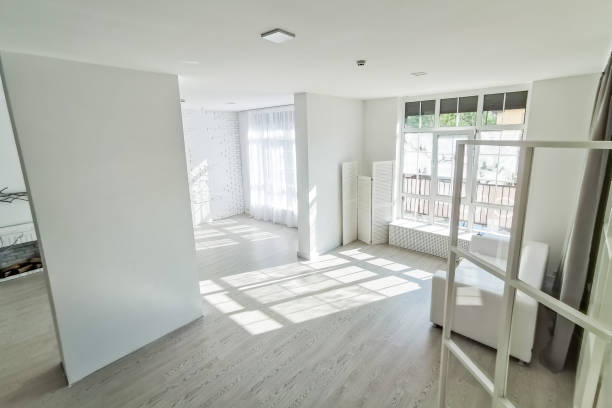
Living in Manhattan Beach often means balancing lifestyle goals with limited property space. Many homeowners love their location, school district, and neighborhood, yet they need more room for a growing family, a home office, or multigenerational living.
Moving is not always the preferred choice. Property values remain high, and finding another home that meets your needs can be expensive. That is why many residents invest in room addition services in Manhattan Beach, CA instead.
A well-planned room addition can increase usable space, improve daily comfort, and add long-term property value. Whether you need an expanded primary suite, a second-story addition, a guest room, or a dedicated workspace, the right design can help your home function better without changing neighborhoods.
This guide explains the most popular room addition options, local construction considerations, permit requirements, expected costs, and how to choose a contractor who understands Manhattan Beach’s unique building environment.
Why homeowners choose to expand instead of relocate
Many Manhattan Beach properties sit on highly sought-after lots close to the coast. Homeowners often prefer expanding their current home rather than entering a competitive housing market.
Space needs to change over time. Children grow older. Remote work becomes permanent. Aging parents may move in. A house that once felt spacious can quickly feel crowded.
According to the National Association of Home Builders (NAHB), additional living space remains one of the most requested home improvement projects among U.S. homeowners. Added square footage often improves both functionality and resale appeal.
Local zoning regulations and lot sizes make planning especially important. Before construction begins, homeowners must understand setback requirements, floor-area-ratio limitations, and permit guidelines enforced by the City of Manhattan Beach.
Many families ask a simple question: why leave a neighborhood you enjoy when your existing home can adapt to your needs?
Popular room addition options for coastal homes
Every property has different opportunities and limitations. The right solution depends on lot size, budget, and household goals.
Ground-floor room additions
Ground-level expansions remain one of the most common choices.
These projects may include:
- Family rooms
- Guest bedrooms
- Home offices
- Expanded kitchens
- Playrooms
- Dining room extensions
Ground-floor additions typically create easier access and simpler construction compared with second-story projects.
Second-story additions
When a lot of space is limited, building upward often makes sense.
A second-story addition can create:
- Multiple bedrooms
- Additional bathrooms
- A primary suite
- Flexible family living space
Many Manhattan Beach homeowners choose this approach because coastal lots can have limited room for outward expansion.
Primary suite additions
Comfort and privacy drive demand for primary suite expansions.
These additions commonly include:
- Larger sleeping areas
- Walk-in closets
- Double vanities
- Spa-style bathrooms
According to Remodeling Magazine’s Cost vs. Value Report, bedroom suite additions continue to attract buyer interest in many housing markets.
Accessory living spaces
Some homeowners create separate living quarters for family members or long-term guests.
Local regulations govern how these spaces can be designed and used. Reviewing city requirements before planning helps prevent costly revisions later.
A licensed contractor in Manhattan Beach often recommends evaluating future family needs before selecting a room addition type. Building for both current and future use can reduce renovation expenses later.
| Addition Type | Typical Cost Range | Construction Complexity | Best For | Property Impact |
| Ground-Floor Room Addition | $200–$450 per sq. ft. | Moderate | Extra living space | Expands home footprint |
| Second-Story Addition | $300–$600 per sq. ft. | High | Larger families | Maximizes lot usage |
| Primary Suite Addition | $250–$550 per sq. ft. | Moderate to High | Privacy and comfort | Strong resale appeal |
| Guest or In-Law Suite | $250–$500 per sq. ft. | Moderate | Multigenerational living | Flexible future use |
What happens during a room addition project?
Many homeowners feel uncertain about the construction process. Knowing what happens at each stage can make planning much easier.
Initial consultation and site evaluation
A contractor starts by reviewing your goals, property dimensions, structural conditions, and local zoning requirements.
During this phase, measurements are taken and preliminary concepts are discussed. The contractor may identify restrictions related to setbacks, lot coverage, or height limits.
Design and planning
Once project goals are clear, design drawings are prepared.
These plans outline:
- Room dimensions
- Structural requirements
- Electrical layouts
- Plumbing systems
- Window placement
- Energy efficiency features
Many projects require review by city planning staff before permits can move forward.
For information about residential permitting and building standards, homeowners can review the City’s requirements and the California residential building code information provided through the California Building Standards Commission.
Permit approval
Permit approval timelines vary depending on project scope.
In Manhattan Beach, additions often require:
- Building permits
- Structural review
- Plan checks
- Inspection scheduling
Skipping permits can create problems during future home sales and refinancing.
Construction phase
After permits are approved, construction begins.
Typical steps include:
- Site preparation
- Foundation work
- Framing
- Roofing
- Mechanical systems
- Insulation
- Drywall installation
- Interior finishing
Weather conditions near the coast can occasionally affect scheduling.
Final inspections
Before occupancy, inspectors verify that construction complies with approved plans and applicable building codes.
Once approved, homeowners can begin using the new space.
Many people wonder whether construction will disrupt daily life. The answer depends on project size. Smaller additions may create manageable interruptions, while large second-story projects often require more extensive coordination.
Room addition cost factors in Manhattan Beach, CA
Costs vary widely because every property presents unique challenges.
Several factors influence project pricing.
Size of the addition
Square footage remains one of the biggest cost drivers.
A 200-square-foot office addition costs far less than a 1,000-square-foot second-story expansion.
Structural modifications
Removing walls, reinforcing foundations, or upgrading framing systems increases labor and engineering requirements.
Older homes often require additional structural evaluation.
Plumbing and electrical work
Bathrooms, laundry rooms, and kitchens involve more complex systems.
Additional plumbing lines and electrical circuits increase overall project costs.
Material selections
Finish choices can significantly affect budgets.
Examples include:
- Flooring
- Cabinetry
- Windows
- Roofing materials
- Countertops
- Lighting fixtures
Premium finishes increase costs quickly.
Permit and professional fees
Design work, engineering reports, permit fees, and inspections should be included in project planning.
According to the U.S. Census Bureau’s Survey of Construction, residential construction costs have risen substantially over the past several years due to labor and material expenses. Homeowners should account for contingency funds when budgeting.
Coastal construction considerations
Properties near the ocean may require special attention to:
- Corrosion-resistant materials
- Moisture protection
- Wind exposure
- Energy efficiency standards
These requirements can affect both construction methods and costs.
How to choose the right contractor locally
Selecting a contractor may have a greater impact on project success than any material choice.
Experience with local regulations matters because Manhattan Beach has specific planning and permitting requirements.
Verify licensing and insurance
Always confirm that contractors hold valid California licenses and appropriate insurance coverage.
The California Contractors State License Board license verification system allows homeowners to verify contractor credentials before signing agreements.
Review local project experience
Contractors familiar with Manhattan Beach understand common zoning issues, coastal construction conditions, and inspection processes.
A company that regularly completes room additions locally can often identify potential challenges early.
Request detailed proposals
A professional proposal should clearly explain:
- Scope of work
- Timeline
- Materials
- Payment schedule
- Permit responsibilities
Vague estimates can lead to misunderstandings later.
Ask about communication
Who will manage the project daily?
How often will updates be provided?
Clear communication helps prevent delays and confusion throughout construction.
Compare specialists and general providers
A contractor focused on residential remodeling and additions often brings different experience than a general handyman service.
Companies such as Express Remodeling that regularly handle room additions throughout Manhattan Beach understand local permit requirements, structural planning, and the coordination required for larger residential projects.
Would you rather work with someone who occasionally builds additions or someone who manages them routinely?
Check references and completed projects
Past client feedback provides insight into scheduling, workmanship, and project management.
Ask to review recent projects that resemble your planned addition.
A quality contractor should be comfortable sharing examples and references.
Conclusion
Adding space to your home can improve comfort, flexibility, and long-term value without leaving the neighborhood you enjoy. A successful project starts with careful planning, realistic budgeting, and a contractor who understands Manhattan Beach regulations and construction conditions. If you are comparing options for room addition services in Manhattan Beach, CA, gathering detailed proposals and discussing your goals early can help avoid surprises later. For homeowners seeking guidance on layouts, permits, and construction planning, Express Remodeling can walk through available options and provide practical recommendations based on your property’s needs.
Frequently Asked Questions
How much do room addition services in Manhattan Beach, CA cost?
Most room additions range from approximately $200 to $600 per square foot depending on size, structural complexity, finishes, and permit requirements. Second-story additions typically cost more than ground-floor expansions because of engineering and structural work.
How long does a room addition take to complete?
Smaller additions may take three to five months from planning through construction. Larger projects often require six months or more when design reviews, permits, and inspections are included.
Do I need permits for a room addition in Manhattan Beach?
Yes. Most room additions require permits, plan review, and inspections. Local regulations help confirm that work meets safety, structural, and energy-efficiency standards.
Can I stay in my home during construction?
Many homeowners remain in their homes during smaller projects. Large additions, especially second-story expansions, may create temporary disruptions that require alternate arrangements for portions of the project.
What adds the most value to a home?
Primary suite additions, extra bedrooms, family rooms, and functional home offices often attract strong buyer interest. Local market conditions influence overall return on investment.
Are second-story additions worth the investment?
They can be a practical solution when a lot of space is limited. Building upward allows homeowners to gain significant square footage without sacrificing outdoor living areas.
How do I find room addition services near me?
Look for licensed contractors with documented experience in local residential additions, strong references, detailed proposals, and familiarity with Manhattan Beach permitting requirements.
What permits are commonly required for room additions?
Projects often require building permits, structural review, electrical permits, plumbing permits, and final inspections. Requirements vary according to project scope.
How do coastal conditions affect room additions?
Ocean air, moisture exposure, and wind conditions can influence material selection. Corrosion-resistant products and proper weatherproofing help improve long-term performance.
Will a room addition increase property taxes?
Property improvements can affect assessed value. Tax impacts vary based on local assessment practices and project size. Consulting a local tax professional can provide property-specific guidance.
Can I add a bathroom during a room addition?
Yes. Many homeowners include bathrooms when expanding bedrooms, guest suites, or primary suites. Plumbing requirements increase project costs but improve functionality.
What should I ask before hiring a contractor?
Ask about licensing, insurance, project timelines, permit management, subcontractors, communication methods, and experience with similar local projects.