

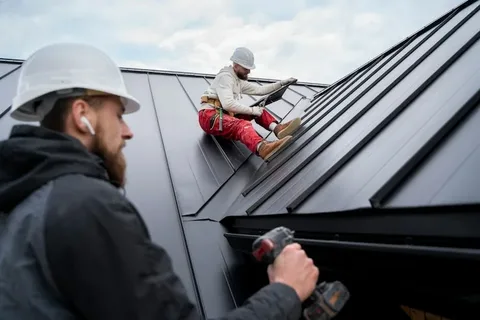
Living near the Pacific in Manhattan Beach is everything it promises ocean breezes, sun-soaked afternoons, and some of the best weather in Southern California. What those same conditions do to your roof is a different story. Salt air accelerates corrosion on metal flashings, UV exposure degrades shingles faster than in inland climates, and coastal fog cycles cause wood decking to absorb moisture over time. For homeowners here, a roof is not a set-it-and-forget-it investment.
Whether you are dealing with a persistent leak, approaching the 20-year mark on your current roof, or buying a home and wanting an honest assessment, understanding your options for roofing services in Manhattan Beach, CA makes the whole process much less stressful. This guide covers the main roofing types, what the work actually costs locally, and how to choose a contractor who knows this specific stretch of the South Bay.
What makes coastal roofing different from standard residential work
A roof in Manhattan Beach faces a combination of stressors that most inland homes never see. Salt-laden air from the Pacific corrodes metal components valleys, flashings, and fasteners at a faster rate than standard installations account for. High UV index levels break down asphalt binders more quickly, shortening the expected lifespan of entry-level shingles. And the marine layer, that low coastal fog common between May and September, keeps moisture levels elevated even during months with minimal rain.
According to the National Roofing Contractors Association, asphalt shingles currently account for roughly 70% of residential roofing installations across the United States. In coastal Southern California, though, many homeowners move toward concrete tile or clay tile once they understand how the ocean environment affects longevity. The extra upfront cost tends to pay off over a 30- to 50-year lifespan compared to an asphalt roof that might need replacement in 15 to 20 years under heavy UV exposure.
Understanding these conditions is the starting point for any conversation with a roofing contractor in this area.
Roofing material options and how they hold up locally
Choosing the right material is probably the most consequential decision in the entire process. Here is a practical breakdown of what works in Manhattan Beach and why.
Asphalt shingles are the most affordable starting point. Three-tab shingles sit at the lower end, while architectural (laminated) shingles offer better wind resistance and a longer warranty. In a coastal climate with consistent UV exposure, homeowners should expect a lifespan of 15 to 25 years rather than the 30-year figure often cited in more temperate regions.
Concrete tile is one of the most popular choices in the South Bay. It handles salt air well, resists fire, and carries a lifespan of 40 to 50 years. One consideration: concrete tile is heavy, and some older homes require structural evaluation before installation to confirm the framing can carry the load.
Clay tile performs similarly to concrete and has been the standard for Mediterranean-style homes throughout coastal Los Angeles for decades. It costs more but has a proven coastal track record. Clay also tends to stay cooler, which contributes to lower summer cooling bills.
Metal roofing — typically standing seam aluminum or steel — has grown in popularity as energy efficiency becomes a larger concern. Aluminum performs better than steel in salt-air environments because it does not rust. A well-installed metal roof can last 40 to 70 years with minimal maintenance.
Flat and low-slope roofs, common on contemporary and mid-century modern homes in the area, use either TPO membrane, modified bitumen, or built-up roofing (BUR) systems. Proper drainage design is the critical factor here, since even minor slope miscalculations can lead to water pooling and accelerated membrane wear.
Roofing material comparison for Manhattan Beach homeowners
| Material | Avg. Cost (installed, per sq. ft.) | Lifespan | Best For | Salt-Air Suitability |
| Asphalt shingles | $6–$12 | 15–25 yrs | Budget-conscious repairs/replacement | Moderate |
| Concrete tile | $12–$20 | 40–50 yrs | Mediterranean-style homes | Good |
| Clay tile | $15–$25 | 50+ yrs | Historic/coastal aesthetics | Excellent |
| Metal (aluminum) | $14–$22 | 40–70 yrs | Modern homes, energy efficiency | Excellent |
| Flat membrane (TPO/BUR) | $8–$15 | 15–30 yrs | Flat or low-slope rooflines | Good with proper coating |
The roofing process step by step
Knowing what a contractor actually does — and in what order — helps homeowners ask the right questions and avoid surprises.
The first step is an inspection and scope assessment. A reputable contractor will walk the roof, check the decking from the attic if accessible, inspect flashings around chimneys, skylights, and vents, and assess the gutters and drainage. This inspection should produce a written report, not just a verbal summary.
Next comes permitting. In Manhattan Beach, re-roofing requires a building permit from the City’s Community Development Department. The City of Manhattan Beach requires permits for re-roofing projects as part of any construction, improvement, or repair work. Your contractor should handle the permit application and schedule the required city inspection — if they suggest skipping this step, that is a red flag.
After permits are approved, the crew removes the existing roofing material. On a full replacement, they strip down to the decking and check for damaged sheathing or signs of rot. Any compromised sections are replaced before new underlayment goes down.
Underlayment installation comes next — this waterproof barrier layer sits between the decking and the final roofing material and is the real last line of defense against water intrusion. Following that, the finished roofing material is installed, flashings are fitted around every penetration point, and ridge caps or ridge vents are set.
A final city inspection closes out the permit, and any responsible contractor will do their own walkthrough before calling the project complete.
What roofing services in Manhattan Beach, CA actually cost
Roofing costs in the Los Angeles metro run higher than the national average, and the South Bay is no exception. Homeowners in the LA area pay about $26,220 on average for a full roof replacement, with strict permitting processes and strong contractor demand contributing to higher costs.
For a more granular picture: roofing contractors in California price work by the roofing square (100 square feet), with costs ranging from $4.50 to $10 per square foot depending on material and roof design. For a 2,000-square-foot home, a full replacement typically runs between $9,000 and $20,000. Premium materials like clay tile or standing seam metal push that figure higher, often into the $30,000 to $45,000 range for larger homes.
Permit fees in Manhattan Beach add $250 to $1,000 depending on project scope. If the decking underneath has moisture damage — not uncommon in older coastal homes — expect additional costs for sheathing replacement, typically $2 to $4 per square foot on top of the roofing work.
A mid-century ranch home in the tree streets section of Manhattan Beach, for example, recently faced a choice between a $14,000 architectural shingle replacement and a $28,000 concrete tile job. The homeowners chose tile after a contractor confirmed the existing framing could support the weight — and factored in that they planned to stay in the home for 20-plus years. At that timeline, tile’s extended lifespan made the math straightforward.
How to choose the right roofing contractor locally
Finding someone who shows up and charges a fair price is the minimum bar. What actually matters is finding a contractor who understands the specific demands of coastal Los Angeles construction.
Start by confirming licensure. In California, roofing contractors must hold a valid C-39 roofing license issued by the California Contractors State License Board. You can verify any contractor’s license number online in minutes — a step worth taking before any paperwork is signed.
Ask about their experience with the specific material you are considering. A crew that installs concrete tile every week will do a better job than a generalist who handles it occasionally. This matters especially for clay tile and standing seam metal, where installation technique directly affects how long the roof holds up in coastal conditions.
Check that they carry both general liability insurance and workers’ compensation coverage for their crew. Falls are the leading cause of roofing injuries, and without proper workers’ comp, a homeowner can be exposed to liability if someone is hurt on their property.
Companies that work specifically on residential roofing in the South Bay — like Express Remodeling, which handles roofing projects across Manhattan Beach and the surrounding coastal communities — tend to have tighter familiarity with local permit processes and the material performance patterns seen in this climate. A contractor who works regularly in your zip code will know the city’s inspection schedule, common decking issues in homes of a particular age, and which underlayment products hold up best against the marine layer.
Get at least three written bids. Not to race to the bottom on price, but to understand the range and what each contractor is actually including. A bid that comes in significantly lower than the others usually means something is being left out.
Ready to take the next step?
Roofing decisions do not need to be rushed, but once a leak or visible deterioration appears, waiting tends to make the underlying damage worse. The best next move is a professional inspection that gives you an honest picture of what your roof actually needs — repair, partial replacement, or a full job. If you want a local team familiar with Manhattan Beach’s permit process, coastal material requirements, and the specific aging patterns in South Bay homes, reach out to Express Remodeling for a free assessment. They can walk you through your options, explain what the work involves, and help you make a decision that fits your property and your timeline.
Frequently asked questions
How do I know if I need a full roof replacement or just a repair?
If your roof is under 15 years old and damage is localized — a few missing shingles, a flashing that pulled loose, a small leak around a skylight — repair is usually the right call. Once a roof hits 20-plus years, especially under coastal UV exposure, widespread granule loss, curling shingles, or multiple leak points typically indicate that patching buys limited time. A contractor who offers an honest inspection report, not just a sales pitch, can walk you through the comparison honestly.
What does roofing near me typically cost for a repair versus a replacement in Manhattan Beach?
Localized repairs in the South Bay generally run $400 to $1,500 depending on the size of the damaged area and material. A full roof replacement for a typical Manhattan Beach home ranges from $14,000 to $35,000, with premium tile or metal installations on larger properties reaching $45,000 or more.
Do I need a permit to replace my roof in Manhattan Beach?
Yes. The City of Manhattan Beach requires permits for re-roofing work. A licensed contractor should pull the permit on your behalf and coordinate the required city inspection. Working without a permit can create complications when you sell the property and may void manufacturer warranties on materials.
How long does a roof replacement take in Manhattan Beach?
Most residential replacements take two to four days for a standard-sized home. Larger homes, complex rooflines, or jobs that uncover damaged decking can run longer. Permitting adds time upfront — usually a few days to a week depending on city processing — so plan your project timeline accordingly.
How does the coastal climate affect which roofing material I should choose?
Salt air corrodes metal components faster than in inland climates, so aluminum is preferred over steel in any metal roofing application near the ocean. Asphalt shingles degrade faster under high UV exposure and salt air than their rated lifespans suggest. Clay and concrete tile have decades of proven performance in coastal Southern California and are worth the extra investment if you plan to stay in the home long-term.
What should I ask a roofing contractor before signing a contract?
Ask for their C-39 license number, proof of liability insurance and workers’ comp coverage, a written scope of work that details materials by product name and grade, who will pull the permit, and what warranty covers both materials and labor. Get clarity on what happens if additional decking damage is found once the old roof is removed.
How long do clay tile roofs last in a coastal California climate?
Clay tile is one of the most durable roofing materials available in coastal conditions. With proper installation and basic maintenance — checking for cracked tiles and keeping gutters clear — a clay tile roof in the South Bay can realistically last 50 years or more. The key variables are installation quality and keeping the underlying flashings maintained, since the tile itself rarely fails before the metal components around it.
Are there any cool roof requirements in California that apply to Manhattan Beach?
California’s Title 24 energy code requires that re-roofing projects on certain residential structures meet cool roof standards — typically a minimum solar reflectance rating. This applies most commonly to low-slope roofs. Your contractor should know whether your project triggers Title 24 compliance and which products meet the threshold.
What are signs of salt air damage I should look for on my roof?
Look for rust staining around metal flashings, vents, or fastener heads. Pitting or powdery corrosion on metal components is a sign of salt air degradation. On asphalt shingles, accelerated granule loss and premature brittleness point to UV and salt exposure working together. Regular annual inspections are the simplest way to catch this early.
How much do permits cost for roofing in Manhattan Beach?
Permit fees vary by project scope and valuation. For most standard re-roofing projects, homeowners can expect to pay between $250 and $1,000 in permit fees to the City of Manhattan Beach. Your contractor should be able to give you an estimate of permit costs once they know the project scope.
Can I put a new roof on top of my existing one?
California building code generally allows one overlay of new shingles over existing shingles. Going to a second layer is not permitted, and most experienced contractors will advise against even the first overlay if the existing roof has widespread moisture damage or the decking condition is unknown. A full tear-off gives you the opportunity to inspect and repair decking, which is the right call for most older homes in this area.
How do I compare roofing quotes fairly?
Make sure every bid covers the same scope: full tear-off or overlay, underlayment product specified by name, material brand and grade, flashing replacement, permit fees, and warranty terms for both materials and labor. A lower bid that excludes permit fees or uses a lighter underlayment is not actually cheaper — it just looks that way until you add up what is missing.