

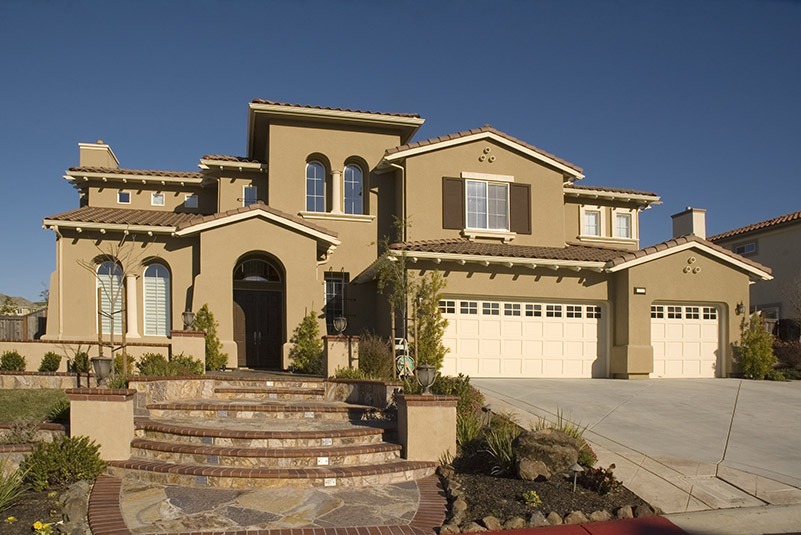
House Extension Cost & Services in Norwalk has become a key topic for homeowners planning to add more space without moving. Many families want extra rooms for work, guests, or growing needs, which makes extensions a practical choice. In this guide, we explain how costs form, what services contractors provide, and what homeowners should expect during the process.
This article is based on structured project requirements and industry-focused planning guidelines . We break everything into clear sections so you can understand planning, materials, and pricing steps without confusion.
Express Remodeling is used here as a reference point for how experienced contractors handle house extension projects in Norwalk with proper planning and execution.
What house extension services mean for Norwalk homeowners
House extensions in Norwalk add new space to an existing home without rebuilding the structure. Many Norwalk homeowners choose this option instead of buying a larger property.
Common extension types include rear additions, side extensions, garage conversions, and second-story builds. Each type changes the structure in a different way and needs proper engineering review.
Why do people choose extensions instead of moving? Rising property demand, school zones, and lifestyle needs play a big role. A licensed contractor in California notes that “most homeowners prefer extensions because they keep them in their neighborhood while improving usable space.”
Local companies like Express Remodeling handle planning, structural checks, and permit coordination for these projects across Norwalk homes.
Types of home extensions and material choices
Different extension styles affect both function and long-term durability. Each option comes with its own benefits and limitations depending on soil condition, design, and budget.
Wood framing is common for fast builds. It works well in most residential zones but needs moisture protection. Steel framing is stronger and used for larger additions. Concrete block structures offer high durability but take longer to complete.
A homeowner in Norwalk often chooses between single-room additions or full-floor expansions based on space needs. What matters most is matching structure type with foundation strength.
According to the National Association of Home Builders (NAHB, 2023), nearly 62% of homeowners prefer small-scale additions over full rebuilds due to cost control and faster completion timelines.
The U.S. The Department of Housing and Urban Development (HUD) also reports that proper planning reduces structural change delays by up to 30% in residential projects.
Step-by-step extension process in Norwalk
Home extensions in Norwalk follow a structured process from start to finish. It begins with a site visit where measurements and soil condition are reviewed.
Next comes design planning. Architects prepare layout drawings that match city rules. After approval, permits are submitted to Norwalk building authorities. This stage is important because skipping it can cause project delays or fines.
Construction starts with foundation work. Framing, roofing, insulation, and interior finishing follow step by step. Final inspection confirms safety and compliance.
The EPA explains that indoor construction materials should meet low-emission standards to reduce indoor air pollution .
Express Remodeling often coordinates these stages so homeowners avoid delays and repeated approvals during construction.
Cost factors that affect house extensions
Several elements influence House Extension Cost & Services in Norwalk. Size of the addition is the biggest factor. Larger spaces require more labor and materials.
Material choice also matters. Steel costs more than wood but lasts longer. Foundation depth increases cost in unstable soil areas. Design complexity also impacts labor time.
Labor rates in California are generally higher than the national average due to demand and permit requirements. According to Harvard’s Joint Center for Housing Studies (2024), renovation spending has increased steadily due to housing shortages and rising property values.
Local building codes in Norwalk require permits for most structural changes. These permits ensure safety compliance and proper zoning alignment.
How to choose the right contractor
Choosing the right contractor affects both cost and final results. Experience with local permits is important because Norwalk has specific residential building codes.
Ask for previous project examples and check how they manage timelines. A contractor focused only on home extensions understands soil conditions, framing standards, and inspection steps better than general builders.
A specialist like Express Remodeling works specifically on home expansion projects, which means they are familiar with local approval systems and structural requirements that general handymen may miss.
What should you ask before hiring? Do they handle permits? Do they provide material guidance? Do they manage inspections? These questions help you avoid delays later.
Cost overview of extension planning
Many homeowners compare options before starting construction. Planning stage costs include design, permits, and engineering review. Construction costs include materials, labor, and finishing.
Room addition in Santa Clarita cost estimate varies based on design size and structure type. Home expansion cost breakdown usually shows foundation work and framing as the largest expense areas. Residential room addition pricing guide often reflects material quality and local labor rates.
Affordable home addition services cost options exist for smaller projects, but quality should always stay a priority for long-term durability.
Expert insight and real scenario
A licensed contractor working in Southern California explains that many delays happen due to missing permit documents. Proper planning reduces rework and inspection failures.
A common homeowner scenario involves adding a guest room for family visits. One Norwalk homeowner replaced unused backyard space with a small extension, turning it into a home office and guest room combination. The project required foundation reinforcement and electrical upgrades.
This type of upgrade improves daily comfort and property usability without changing neighborhood location.
Conclusion
House extensions in Norwalk require planning, permits, and the right construction approach. Costs vary based on size, materials, and design needs. Homeowners benefit most when they understand each stage before starting work. Companies like Express Remodeling help guide these steps by reviewing design options, handling permits, and managing construction details for local conditions. If you are planning a home extension, speaking with a qualified contractor early can help you avoid delays and choose the right structure for your property.
FAQ’s
What is the average House Extension Cost & Services in Norwalk?
Costs depend on size, design, and materials used. Small room additions usually cost less than second-story builds. Local labor rates and permit fees also affect final pricing. A contractor inspection helps provide a clearer estimate based on your home structure and soil condition.
Do I need permits for a home extension in Norwalk?
Yes, most structural changes require permits from local authorities. This includes foundation work, electrical changes, and room expansions. Permits ensure safety compliance and zoning approval. Skipping permits can lead to fines or forced modifications during inspection stages.
How long does a house extension project take?
Timeline depends on project size and weather conditions. Small additions may take a few weeks, while larger expansions can take several months. Planning and permit approval also add time before construction begins. Proper scheduling helps reduce delays during building stages.
What affects home room addition cost estimate the most?
Size, material type, and foundation work are major cost drivers. Labor availability and design complexity also influence pricing. Custom layouts or multi-room additions increase total cost due to additional structural requirements and finishing work.
Is a garage conversion cheaper than building a new room?
Yes, garage conversions usually cost less because the existing structure is reused. Less foundation work is needed, which reduces labor and material expenses. Still, insulation, electrical updates, and permits are required to meet residential standards.