

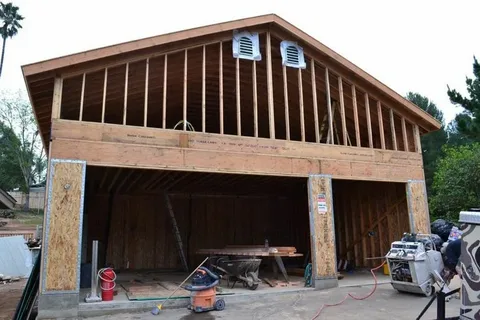
Living space can start to feel tight as families grow, work habits change, and property needs shift. Many Northridge homeowners reach a point where moving no longer makes sense. Instead, adding space to an existing home often provides a practical solution.
Extra square footage can create a larger kitchen, a new bedroom, a home office, or a private suite for relatives. Property owners often choose Professional home remodeling and additions because they can improve daily comfort while making better use of the land they already own.
In a community like Northridge, where property values remain competitive, thoughtful additions can help a home meet current needs without the stress of relocation. Whether you are considering room addition services for a growing family or planning a larger expansion project, understanding the process, costs, and local requirements helps you make informed decisions.
Many homeowners ask the same question: should you move or build onto the home you already love? For many households, expanding existing space provides the answer.
Why homeowners choose residential room additions
Space needs rarely stay the same over time. A spare bedroom may become a nursery. A dining room may turn into a work-from-home office. Family members may need private living areas.
Residential room additions in Northridge allow homeowners to adapt without leaving their neighborhood. In Northridge, many properties have lot sizes that support expansion projects when local zoning rules permit them.
Popular reasons for additions include:
- Growing families
- Multi-generational living
- Remote work needs
- Rental income opportunities
- Larger entertainment areas
- Increased property value
According to the National Association of Home Builders, demand for home expansions continues to grow as homeowners seek more functional living space within existing properties.
Research from the National Association of Realtors (2022) found that many renovation projects improve homeowner satisfaction and can contribute positively to resale appeal. Homeowners often view added living space as one of the most practical long-term investments.
Local companies like Express Remodeling frequently work with homeowners who want additional living space without changing schools, commute routes, or neighborhood connections.
Custom room additions and house extension services
Every property presents different opportunities. The best option depends on budget, lot size, existing structure, and local regulations.
Custom room additions can be designed to match the original architecture and blend naturally with the existing home.
Common expansion options include:
Bedroom additions
Extra bedrooms remain one of the most requested projects in Northridge. Families often need more sleeping space for children, guests, or aging relatives.
Home office additions
Remote work continues to influence renovation decisions. A dedicated workspace improves privacy and productivity.
Family room expansions
Many homeowners choose larger gathering areas for entertaining and daily family activities.
Second-story additions
Properties with limited yard space sometimes expand upward instead of outward.
Attached accessory suites
Separate living quarters can support multi-generational households or long-term guests.
A licensed contractor in Los Angeles County often advises homeowners to review lot coverage restrictions before selecting an expansion type. Local zoning requirements can influence design possibilities and project scope.
Comparison of common addition options
| Addition Type | Average Cost Range | Best For | Construction Time | Property Impact |
| Bedroom Addition | $25,000–$80,000 | Growing families | 2–4 months | Moderate |
| Home Office Addition | $20,000–$60,000 | Remote workers | 1–3 months | Moderate |
| Family Room Expansion | $40,000–$120,000 | Larger gathering spaces | 3–5 months | High |
| Second-Story Addition | $100,000–$300,000+ | Limited lot space | 4–8 months | Very High |
How room addition services work from start to finish
Many homeowners wonder what actually happens after signing a contract. A structured process helps keep projects organized and compliant.
Initial consultation
The contractor reviews goals, property conditions, and budget expectations.
Site evaluation
Measurements, structural reviews, and utility assessments help determine project feasibility.
Design and planning
Construction drawings are prepared. Floor plans and exterior elevations are finalized.
Permits and approvals
Most additions in Northridge require permits through the City of Los Angeles Department of Building and Safety. Local requirements can include structural reviews, zoning checks, and inspections.
Information about residential construction requirements can be found through the Los Angeles Department of Building and Safety residential permit resources.
Construction phase
Work often includes:
- Foundation preparation
- Framing
- Roofing
- Electrical systems
- Plumbing installation
- Insulation
- Interior finishing
Final inspection
Municipal inspections verify compliance with applicable building codes before project completion.
Would you rather face permit issues after construction, or address them correctly before work begins? Most homeowners prefer the second option.
Cost factors for home expansion services in Northridge
Budgets vary widely because every property differs. Understanding the main cost drivers helps homeowners plan realistically.
Construction costs in Northridge often depend on:
Project size
Larger additions require more labor and materials.
Foundation requirements
Some projects need substantial structural work before framing begins.
Utility relocation
Electrical panels, plumbing lines, and HVAC systems can increase costs.
Material selections
Premium flooring, cabinetry, windows, and finishes affect total investment.
Structural complexity
Second-story projects typically cost more than single-level additions.
Permit and inspection fees
Municipal approval costs should be included during planning.
According to the U.S. Census Bureau’s residential construction data, labor and material costs remain major influences on renovation budgets across the country. Current housing construction trends can be reviewed through U.S. Census Bureau residential construction statistics.
A practical example involves a Northridge homeowner converting an underused side yard into a 400-square-foot family room. The project required foundation work, upgraded electrical service, and new roofing connections. Early planning helped avoid expensive changes once construction began.
Another common question appears during budgeting: how much contingency should you set aside? Many contractors recommend reserving roughly 10% to 15% for unexpected conditions found after construction starts.
Choosing the right home addition contractor
Selecting a contractor affects every stage of the project. Price matters, yet experience and communication often matter just as much.
When comparing providers, look for:
- Active licensing
- Insurance coverage
- Local project experience
- Written contracts
- Clear project schedules
- Permit knowledge
The California Contractors State License Board provides consumer information through its
A room extension contractor should explain timelines, inspections, payment schedules, and potential challenges before work starts.
Many homeowners request multiple estimates before making a decision. Comparing proposals helps identify major differences in scope and materials.
A specialist focused on home remodeling and additions in Norwalk CA such as Express remodeling often brings experience with local permit procedures, structural requirements, and expansion-specific construction methods that general handymen may not regularly handle.
Ask yourself a simple question: can the contractor clearly explain the project in plain language? If communication feels confusing during planning, construction may become harder to manage later.
The strongest room addition company relationships begin with realistic expectations and transparent discussions from day one.
For homeowners considering house addition services in Northridge, a detailed written proposal often reveals more than the quoted price alone.
Conclusion
Adding living space can improve comfort, support changing family needs, and make better use of your existing property. From additional bedrooms and expanded living areas to larger home improvement projects, careful planning helps keep your project on schedule and within budget.
Before moving forward, gather multiple estimates, review permit requirements, and compare contractor experience. If you would like guidance on options for your property, you can contact Express Remodeling for a free estimate and discuss practical solutions that fit your goals and available space. Learn more here: https://maps.app.goo.gl/ioR6Xdks6astv7vC7
FAQ’s
What is the difference between a room addition and a home expansion?
A room addition typically adds a specific space such as a bedroom or office. Home expansion services may involve multiple rooms, major reconfiguration, or larger structural modifications.
Are custom room additions worth the investment?
Many homeowners find them worthwhile because they create usable space without moving. Projects designed around household needs often provide long-term convenience and functionality.
What should I ask a home addition contractor before hiring?
Ask about licensing, insurance, permits, project timelines, references, payment schedules, and previous similar projects. Clear answers help establish confidence before construction begins.
Can house extension services match my existing home’s design?
Yes. Skilled contractors can match roofing, siding, windows, and architectural details so the addition blends naturally with the original structure.
How do room additions perform during Northridge weather conditions?
When built to code, modern additions perform well in local conditions. Proper insulation, roofing systems, ventilation, and energy-efficient windows contribute to year-round comfort.
What is the most affordable type of room addition?
Ground-level bedroom and office additions often cost less than second-story projects because they require fewer structural modifications and simpler construction methods.
How can I find a reliable room addition company in Northridge?
Review licensing records, insurance documentation, customer references, and completed project examples. Written estimates and detailed contracts help compare providers accurately.
Do free estimates include permit costs and materials?
Some contractors include preliminary cost projections for permits and materials, while others provide separate estimates. Ask for a detailed breakdown so you understand what the quote covers.