

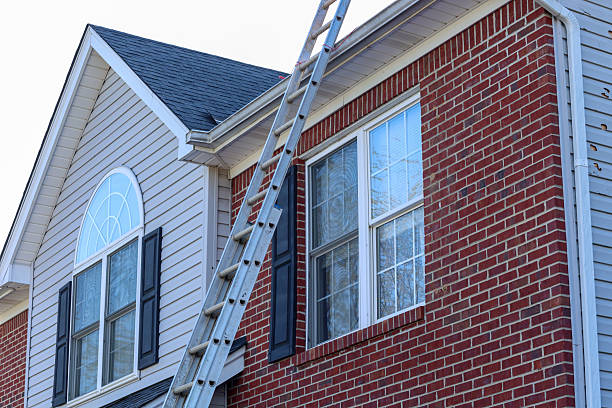
Salt air does quiet damage. A Manhattan Beach homeowner can go months without noticing a compromised flashing joint or a handful of lifted shingles until the water stains appear on the ceiling. By that point, what started as a $400 repair has turned into a $5,000 interior restoration job. That’s the case for acting early on roofing services in Manhattan Beach, CA, where the coastal climate puts roofs under daily stress that inland properties simply don’t face.
This guide covers what local homeowners need to know: which materials hold up in this environment, what the process actually looks like, what everything costs, and how to choose the right contractor for a property where the median home value sits above $2 million.
Why Manhattan Beach roofs face more wear than most
The combination of salt-laden air, UV intensity, coastal wind, and occasional winter rain creates conditions that accelerate roof aging faster than in non-coastal Southern California. Salt accumulates in shingle granules, on metal flashing, and around vents. Over time, it corrodes fasteners, degrades sealant, and causes rust staining on metal components. Left unchecked, that corrosion becomes structural.
A licensed contractor working the South Bay area put it plainly: roofs on properties within two miles of the water typically need inspection every year, not every three — because the salt alone can shave years off a roof’s rated lifespan.
Nearly 31% of homeowners across the U.S. have pursued roof repair or maintenance in the past three years, according to This Old House (2025). In a coastal market like Manhattan Beach, that number likely skews higher given the environmental demands on local roofing systems.
Beyond the climate, Manhattan Beach homes skew older. The median build year for homes in the area is 1970, which means a significant share of properties have aging shingles and deteriorated flashing that are prime candidates for attention before they require full replacement.
Roofing material options and what works in a coastal climate
Not every roofing material handles salt air equally. Choosing the wrong one for a beachside property is an expensive mistake, so it’s worth understanding what each option brings to the table in this specific environment.
Asphalt architectural shingles are the most common choice across the South Bay. They’re cost-effective, widely available, and perform well when installed with proper underlayment. The downside in coastal areas is that salt and UV exposure can cause granule loss faster than the manufacturer’s rated lifespan suggests. Higher-grade architectural shingles with algae-resistant coatings hold up better here than standard three-tab shingles.
Concrete and clay tiles are well-suited to Southern California’s climate. They resist salt corrosion, handle UV without degrading, and can last 40 to 50 years with basic maintenance. The trade-off is weight tile roofs require a structurally sound deck and may need framing reinforcement on older homes.
Metal roofing services particularly standing seam steel or aluminum performs well in coastal environments when properly coated. Aluminum is preferred over standard steel near salt air because it resists corrosion naturally. Metal roofs can last 40 to 70 years and tend to score well on California’s Title 24 cool roof energy standards for solar reflectance.
Flat and low-slope systems are common on modern and contemporary builds in Manhattan Beach. TPO (thermoplastic polyolefin) and modified bitumen are the two most practical choices for flat roofs in this region. TPO in particular reflects UV radiation effectively, reducing cooling load — a real benefit in a property that faces the Southern California sun year-round.
Roofing Material Comparison for Manhattan Beach Properties
| Material | Avg. Cost per Sq. Ft. (installed) | Lifespan | Salt Air Performance | Best For |
| Asphalt Architectural Shingles | $4 – $7 | 20–30 years | Moderate | Budget-conscious replacements |
| Concrete / Clay Tile | $10 – $18 | 40–50 years | Good | Mid-century and Spanish-style homes |
| Metal (Aluminum / Standing Seam) | $12 – $22 | 40–70 years | Excellent | Contemporary and oceanfront properties |
| TPO / Flat Membrane | $7 – $14 | 20–30 years | Good | Flat roof and low-slope modern builds |
What roofing services in Manhattan Beach actually involve
The process from first call to completed job follows a predictable sequence, and knowing it helps you ask better questions and avoid surprises.
Initial inspection and scope assessment. A contractor walks the roof, checks the deck for soft spots, examines flashing at all penetrations (chimneys, vents, skylights), and assesses the drainage system. This inspection determines whether you need a targeted repair, a partial re-roof, or a full replacement.
Permit pull and code compliance review. For any full replacement or re-roofing job in Los Angeles County, a building permit is required. California limits re-roofing to a maximum of two layers of roofing material; if the existing roof already has two layers, a full tear-off is required before new material goes on. Contractors also need to check whether the project triggers California’s Title 24 cool roof requirements — under the 2025 standards effective January 2026, any re-roofing job covering more than 50% of the roof area must use CRRC-rated materials meeting minimum solar reflectance thresholds.
Tear-off and deck inspection. Once permits are in hand, the existing material is removed. The deck is inspected for rot, water damage, and structural compromise. Any damaged decking is replaced at this stage — skipping this step leads to problems later.
Underlayment installation. A synthetic or felt underlayment goes down as the first line of defense against moisture. In a coastal climate, synthetic underlayment is worth the modest premium for its superior moisture resistance.
Material installation and flashing work. Shingles, tiles, or membrane go on per manufacturer specification. Flashing — the metal strips that seal joints at walls, valleys, and penetrations — is replaced or resealed. Flashing failures are the single most common cause of leaks in older Manhattan Beach homes.
Final inspection and sign-off. The permit inspection is scheduled with Los Angeles County Building and Safety. The contractor walks the completed roof with you before closing out.
What roofing services cost in Manhattan Beach
Costs in this market run higher than national averages, reflecting local labor rates, permitting costs, and the complexity of working on properties that are often multi-story or architecturally intricate.
For a repair-only job — addressing a few lifted shingles, resealing flashing, or patching a small section of membrane — expect to pay between $400 and $1,500. A small leak that costs $400 to fix today can escalate to $5,000 or more in interior water damage within weeks if left unaddressed, so the repair-versus-wait math rarely favors waiting.
A partial re-roof covering one slope or section runs roughly $4,000 to $9,000 depending on material and scope. Full replacement on a typical Manhattan Beach home — around 2,000 to 2,800 square feet of roof surface — ranges from $15,000 to $35,000 for asphalt, and $25,000 to $65,000 for tile or metal, depending on the product tier and structural work required.
Several factors push that range up in this market specifically: oceanfront access limitations that require crane or lift equipment, structural work on older decks, material upgrades to meet Title 24, and permit fees that vary by project value.
Roof repair and replacement costs nationally totaled nearly $31 billion in 2024, a 30% increase since 2022, according to industry data compiled by Fixr (2025). Material prices have stabilized somewhat since peak 2022 levels, but labor in coastal LA markets remains elevated.
One useful reference point: a Manhattan Beach homeowner replaced the clay tile on a 2,400-square-foot Spanish-style home, including full tear-off, new underlayment, and updated flashing throughout. The total came to $41,000. The tile matched the original profile, the permit process took three weeks, and the project was completed in four days once materials arrived. That’s a realistic picture of what a quality tile job looks like here.
How to choose the right roofing contractor in Manhattan Beach
The contractor decision matters more than most homeowners realize. A roof installed incorrectly — even with quality materials — will fail prematurely. Here’s what to check.
License and insurance are non-negotiable. California requires roofing contractors to hold an active C-39 license through the Contractors State License Board (CSLB). Verify the license number directly on the CSLB website before signing anything. Ask for a certificate of general liability insurance and workers’ compensation coverage — both, not just one.
Local permit experience matters. A contractor who pulls permits regularly in Los Angeles County knows the inspection process, understands Title 24 compliance documentation, and won’t be surprised by local requirements. Ask directly: “Have you pulled permits for re-roofing jobs in Manhattan Beach or the South Bay in the past year?”
Look for coastal-specific material knowledge. Not every roofer understands the difference between standard steel flashing and aluminum flashing in a salt air environment. Ask which underlayment they use near the coast and why. The answer tells you a lot about whether they’ve thought through the local conditions.
Companies like Express Remodeling that focus specifically on remodeling and roofing work for South Bay homeowners bring an advantage here they’re familiar with the local permit process, know which materials hold up in this climate, and carry trade-specific insurance that general contractors often skip. A contractor who works primarily on coastal LA properties will have solved the problems that surprise someone who usually works inland.
Get at least three written estimates. Not to race to the bottom on price — to understand the scope variations. If one bid is 40% lower than the others, ask what’s excluded. It’s usually the underlayment grade, the flashing replacement, or the permit fee.
Conclusion
A small roofing issue in Manhattan Beach rarely stays small. Salt air, UV, and coastal wind push minor damage toward major repairs faster than in most other markets. If you’ve noticed granule buildup in gutters, staining on an interior ceiling, or visible wear around vents or the chimney, it’s worth getting eyes on the roof before the next rainy season. Reach out to Express Remodeling for an honest assessment of your roof’s condition they can walk you through the repair-versus-replace question, explain the permit and Title 24 requirements for your specific property, and give you a clear picture of what a well-done job should cost.
Frequently asked questions about roofing services in Manhattan Beach, CA
How much does a full roof replacement cost in Manhattan Beach, CA?
Full replacement on a typical Manhattan Beach home ranges from $15,000 to $65,000 depending on size, material, and structural condition. Asphalt architectural shingles sit at the lower end of that range; clay tile and standing seam metal run considerably higher. Labor rates and permitting costs in Los Angeles County push local prices above national averages.
What are the most common roofing problems in coastal Manhattan Beach?
Salt air corrosion on flashing and fasteners, granule loss on asphalt shingles, cracked or lifted tile, and sealant degradation around vents and skylights are the most frequent issues. Flat roofs on modern builds also develop membrane blisters and drain blockages from coastal debris.
Do I need a permit for roofing work in Manhattan Beach?
Yes, for any full replacement or re-roofing job in Los Angeles County, a building permit is required. Repair-only work on a small section may not require a permit, but any project that replaces more than 50% of the roof surface does. Your contractor should pull the permit — not suggest you skip it.
Does California’s Title 24 cool roof requirement apply to Manhattan Beach homes?
It does when you replace more than 50% of your roof area or more than 2,000 square feet, whichever threshold is crossed first. The updated 2025 standards, effective January 2026, tightened the solar reflectance requirements and expanded the project types that trigger compliance. Your contractor should confirm which products meet the CRRC ratings required for Los Angeles County.
How long does a roof last in a coastal climate like Manhattan Beach?
An asphalt shingle roof rated for 30 years may perform closer to 20 to 25 years in a salt air environment without regular maintenance. Concrete tile and metal roofs hold up better, typically lasting 35 to 50 or more years with annual inspections and prompt flashing repairs.
How do I find reliable roofing services near me in Manhattan Beach?
Start with the CSLB license lookup to confirm any contractor you’re considering holds an active C-39 license. Ask neighbors or your real estate agent for referrals — word of mouth on specific streets in Manhattan Beach is often more reliable than online reviews alone. Get at least three written estimates and check that each contractor carries liability and workers’ comp coverage.
What does roof flashing do and why does it fail on older Manhattan Beach homes?
Flashing is the metal material — typically aluminum or galvanized steel — that seals the joints where the roof meets walls, chimneys, vents, and valleys. It prevents water from entering at these vulnerable points. On homes built in the 1960s and 1970s, original flashing is often galvanized steel that has corroded in the salt air, or it was sealed with sealant that has long since dried and cracked. Flashing failure is the most common cause of interior water damage on older South Bay homes.
What is a realistic repair cost for a minor roof leak in Manhattan Beach?
A minor leak repair — resealing flashing, replacing a few shingles, or patching a small membrane section — typically runs between $400 and $1,500 in this market. Diagnosing the leak source accurately matters more than the repair itself; misdiagnosis leads to repeat leaks. A contractor who charges for a proper inspection upfront is generally more reliable than one who gives a free guess over the phone.
Is clay or concrete tile a good choice for Manhattan Beach homes?
Both perform well in the coastal climate. Clay tile is lighter and has better long-term salt resistance; concrete tile is denser and more affordable. Either option outperforms asphalt in terms of longevity near salt air, and both are common on Spanish and Mediterranean-style homes throughout the South Bay. Structural load capacity should be confirmed before installation on any home built before 1980.
What should I ask a roofing contractor before hiring them for a Manhattan Beach property?
Ask whether they hold a C-39 license, whether they pull permits as part of their standard scope, which underlayment they use for coastal projects, and whether they replace all flashing or just reseal it. Also ask for references from jobs in Manhattan Beach or adjacent South Bay cities specifically — not just general Southern California work.
How do salt air and coastal humidity affect roofing material warranties?
Most manufacturer warranties do not automatically account for accelerated degradation from salt air. Some warranties include coastal exclusions or require specific installation details to remain valid near the ocean. Before choosing a material, ask the contractor to confirm whether the manufacturer’s warranty applies in your ZIP code and what maintenance schedule is required to keep it active.
Can I do a partial re-roof instead of replacing the whole roof?
Partial re-roofing is sometimes practical when damage is limited to one slope or section and the rest of the roof is structurally sound with significant life left. The challenge is matching existing tile or shingle profiles on older homes — discontinued products make exact matches difficult. A contractor can assess whether partial replacement is structurally appropriate and whether a reasonable visual match is achievable.