

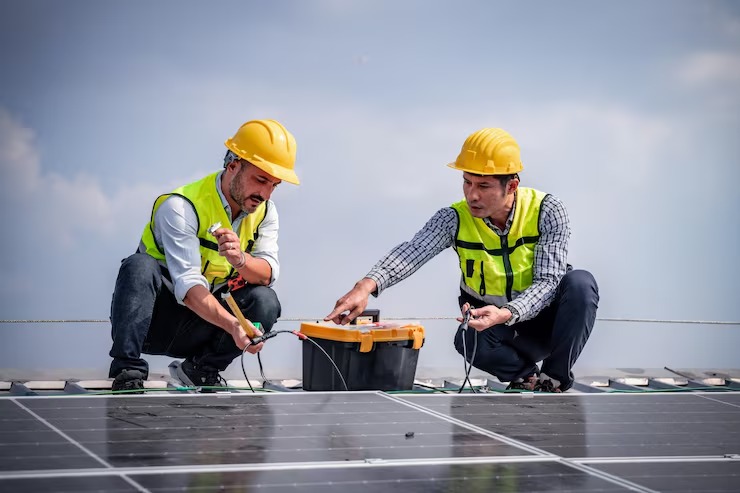
If you have been considering solar power, you may have wondered what actually happens after you contact a solar company. Express Remodeling helps make the process easier by focusing on your property’s energy needs, roof condition, available sunlight, and electrical setup. Solar installation involves much more than placing panels on a roof. Each detail can affect how well the finished system performs.
For many property owners, the hardest part is knowing where to begin. There are different panel types, system sizes, equipment options, and installation requirements to consider. Working with experienced professionals can make the process easier to understand and help you avoid choices that may not suit your property.
What Do Solar Installers Actually Do?
Property improvement projects are easier to manage when practical needs, careful workmanship, and clear communication are prioritized. When solar work is being considered alongside other improvements, having a team that understands the property’s overall needs can be valuable.
The work of Room Additions ADU can also involve changes to electrical demand and available space. If an ADU is being planned, discussing future energy requirements early can help ensure that electrical and solar considerations are not treated as an afterthought.
How Does the Solar Installation Process Begin?
Before panels are installed, professionals typically assess the property. They look at the roof structure, available sunlight, potential shade, electrical capacity, and expected energy usage. This information helps determine what type and size of system may be appropriate.
A proper assessment can prevent common problems later. Installing equipment without considering roof conditions or energy demand may result in poor positioning, insufficient production, or unnecessary expenses. Good planning gives the project a clearer direction from the start.
Solar Panel Installers and Panel Placement
Solar panel installers are responsible for positioning panels where they can receive suitable sunlight. Roof angle, orientation, shading, and available surface area can all affect placement. The goal is to use the available space effectively rather than simply filling the roof with panels.
Mounting is another important part of the job. Panels need to be secured properly to withstand normal outdoor conditions. Wiring and connections must also be handled carefully so the system can operate safely and consistently after installation.
Professional Solar Installation Services in Norwalk
When selecting Solar Installation Services In Norwalk, CA, property owners should consider more than the initial price. Installation quality, equipment selection, communication, and after-installation support can all affect the long-term experience.
Professional solar installation services should include clear explanations before work begins. You should understand what equipment is being installed, how the system is expected to perform, and what steps are involved. A straightforward process makes it easier to make informed decisions without unnecessary pressure.
How Do Residential Solar Installers Help?
Residential solar installers focus on systems designed around everyday energy use. A home may have different requirements from a larger commercial property, so the system needs to be planned accordingly. Household electricity consumption, roof space, and future improvements can all influence the design.
Good planning is especially useful when additional living space is being considered. An expanded property may use more electricity than it does today. Thinking ahead can help prevent the need for major electrical changes later and create a more practical energy plan.
Solar Energy Installation Experts and Energy Needs
Solar energy installation experts can help evaluate how a property may use solar power. Rather than recommending the same setup for every project, they can consider factors such as electricity consumption, available roof space, and sunlight exposure.
This approach helps avoid oversizing or undersizing the system. The right solution should make sense for the property’s current needs while allowing room for reasonable future changes. Clear advice at this stage can save both time and money.
Solar Planning for Room Additions and ADUs
Adding an ADU can increase the amount of electricity a property uses. Lighting, appliances, heating and cooling equipment, and other electrical needs all contribute to that demand. Solar planning can be considered alongside the addition rather than handled after construction is complete.
For projects involving Room Additions ADU In Simi Valley, CA, early coordination can make the overall process more organized. Considering solar, electrical capacity, and new construction together may help reduce conflicts between different stages of the project.
What Happens After the Panels Are Installed?
Installation does not end when the panels are mounted. The system needs to be connected, inspected, and tested to confirm that the equipment is working as intended. Professionals may also check the inverter, wiring, mounting components, and overall system operation.
After the system is active, performance should be monitored. Changes in energy production can sometimes indicate an equipment or connection issue. Keeping an eye on system performance makes it easier to identify unusual changes and address them before they become larger concerns.
Why Local Solar Installation Companies Matter
Local solar installation companies can provide an advantage when you need ongoing communication or future service. Having a nearby professional makes it easier to discuss property-specific concerns, maintenance needs, and potential upgrades.
Local knowledge can also help professionals understand common property conditions in the area. More importantly, a reliable company should take time to understand your individual project rather than treating every installation exactly the same.
Choose a Team That Understands Your Project
Solar is a long-term investment, so rushing the installation process can create unnecessary problems. Take time to understand the proposed system, ask questions about the equipment, and make sure the installation plan matches the property’s needs.
Whether you’re upgrading an existing home or planning an addition, experienced professionals can help you approach the project with greater confidence. Good workmanship, honest communication, and attention to detail should remain priorities from the initial assessment through final testing.
Conclusion
Understanding what solar installers actually do can make the decision to invest in solar much easier. The process includes property assessment, system planning, panel placement, secure installation, electrical connections, and final testing. Each stage can affect the reliability and performance of the finished system.
If you’re planning solar alongside a home improvement or Room Additions ADU In Simi Valley, CA project, early planning can help keep the work organized. With professional guidance and careful installation, you can build an energy solution that fits the property’s present needs while allowing room for future improvements.
FAQs
What do solar installers do?
Solar installers assess the property, plan panel placement, install equipment, connect the system, and test it for proper operation.
Do solar installers inspect the roof?
Yes, roof condition and available space are important factors when determining whether and how solar panels should be installed.
Are solar panel installers responsible for wiring?
Qualified installers typically handle the necessary system wiring and electrical connections as part of the installation process.
Can solar work with an ADU project?
Yes, solar planning can be coordinated with an ADU to account for increased electricity demand and other electrical requirements.
Are residential solar installers different from commercial installers?
Residential solar installers focus primarily on systems designed around household energy use and residential property conditions.
Why is solar system testing important?
Testing helps confirm that panels, wiring, inverters, and other system components are connected and operating properly.